"Duit" is Dutch
The everyday Indonesian word for money comes from a small copper coin brought by the VOC.
Money in this land has changed shape many times: seashells, gold pieces, coins with holes, paper notes, and QR codes. Each change answered the same question. Its newest chapter is being written today.
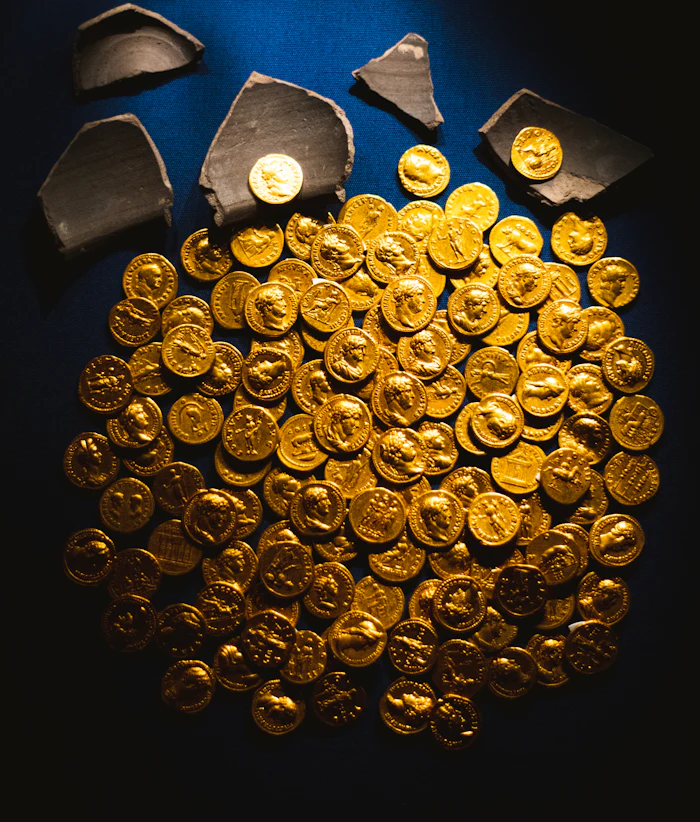
A banknote is really just paper. A gold coin is just metal. What makes them valuable is something invisible: the belief that someone else will accept it tomorrow, just as we accept it today.
The history of money in the archipelago is the history of that belief, and of how its source kept moving: from nature, to kings, to trading companies, to the state, to banks. The eight chapters below tell that story briefly.
"In every era, money is the answer to one question: what do we trust?"
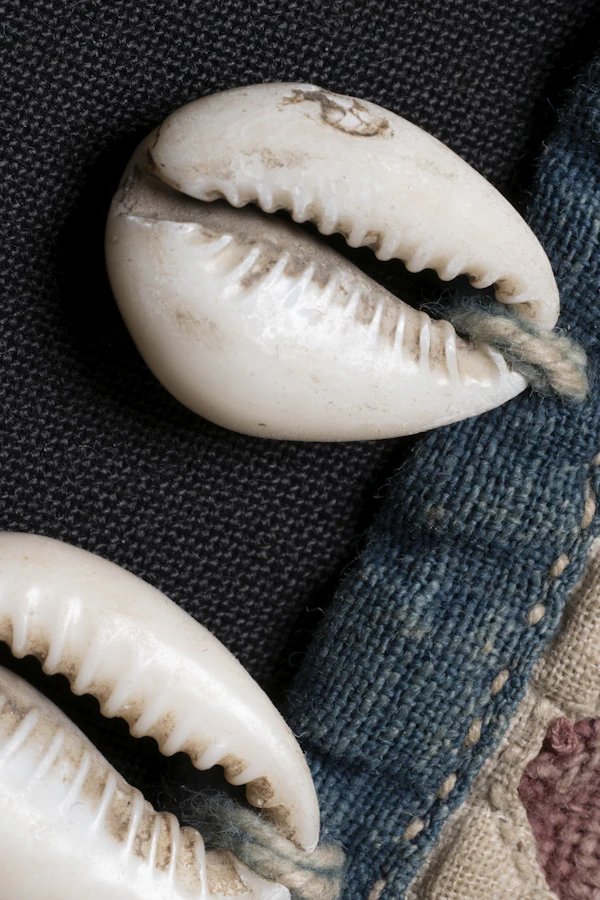
Long before any kingdom struck coins, cowrie shells served as a medium of exchange across Asia, including parts of the archipelago. They were uniform, durable, light to carry and hard to fake.
Nobody could "print" cowries at will. Their supply was set by nature, and that is exactly why people trusted them.

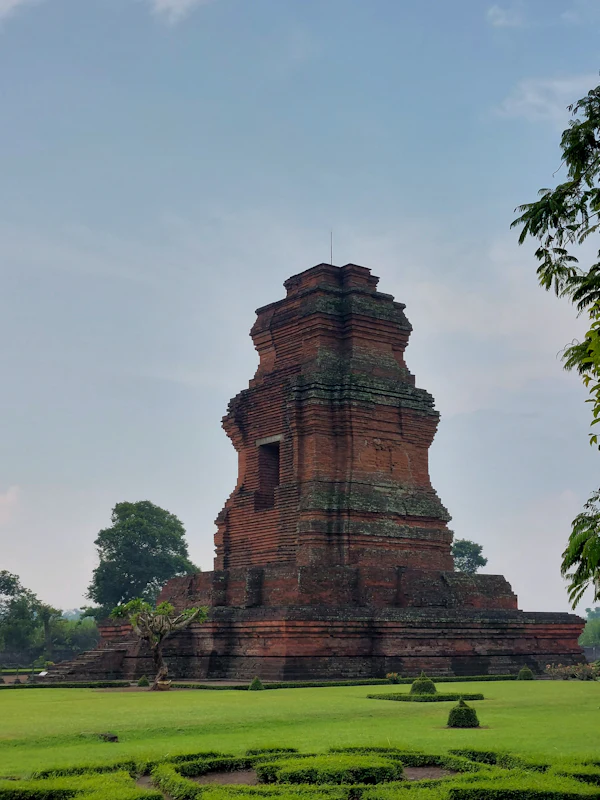
Around the time Borobudur was built, Javanese kingdoms were already using small gold and silver pieces. Stone inscriptions record their units of value, such as suwarna, masa and kupang, for taxes, fines and land sales.
Those inscriptions were a kind of ledger: public records carved so they could not be altered. It's an idea that would return, a thousand years later, in a different form.
In the Majapahit era, Chinese copper cash coins circulated widely for everyday payments. The hole in the middle was practical: hundreds of coins could be strung together and counted in one go.
For the first time, value no longer lay in the material, since copper was cheap. It rested on a vast trading network and a shared agreement to accept it.
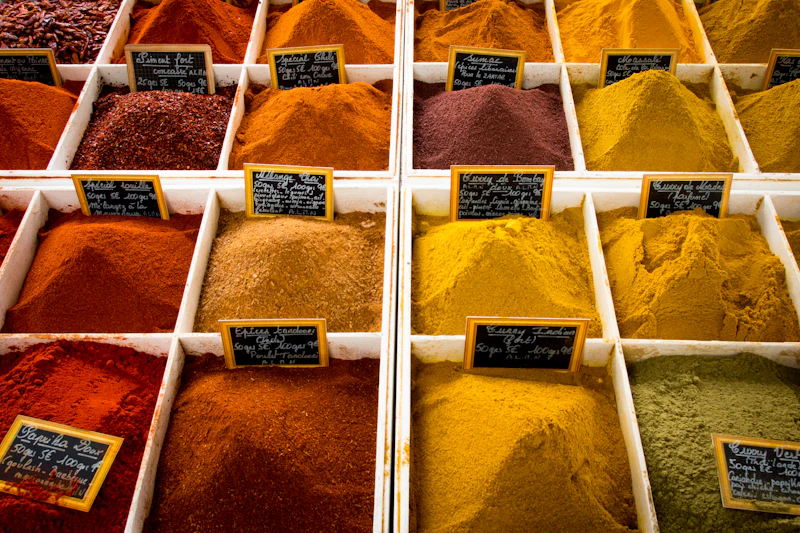
Cloves and nutmeg from Maluku became some of the most sought-after goods on earth, drawing traders from Arabia, India, China and later Europe. At Sumatra's northern tip, the Sultanate of Samudera Pasai struck gold dirhams, often cited as among the oldest Islamic gold coins in the archipelago.
The archipelago wasn't just a user of money. It was a trading hub that helped set value.

The Dutch East India Company, the VOC, brought in and circulated a small copper coin called the duit. The coin vanished long ago, but Indonesians still say its name every day: "got any duit?"
This time trust was imposed from above by an armed trading company. Money became an instrument of power rather than agreement.
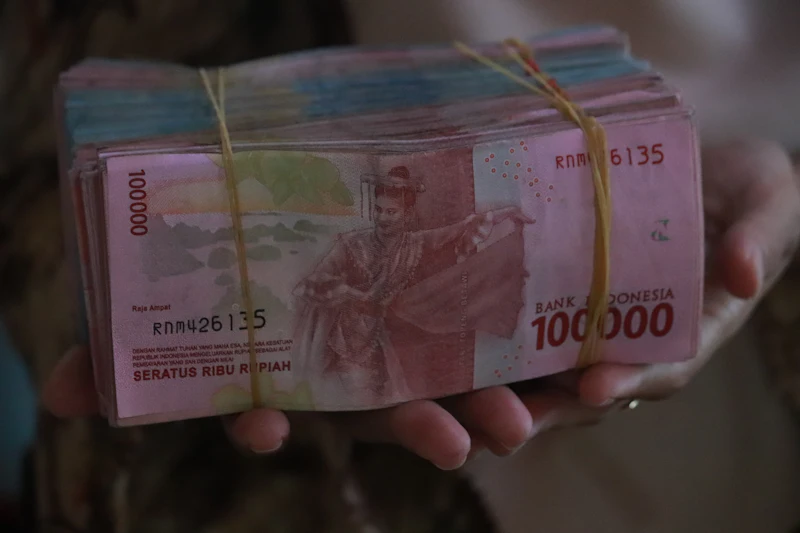
A year after independence, the young Republic issued its own currency: Oeang Republik Indonesia, or ORI, which officially entered circulation on 30 October 1946. The date is still celebrated as Money Day.
Issuing your own money is the clearest way to say "we are sovereign". Trust now rested on the state, and from 1953 it was looked after by Bank Indonesia through the Rupiah.
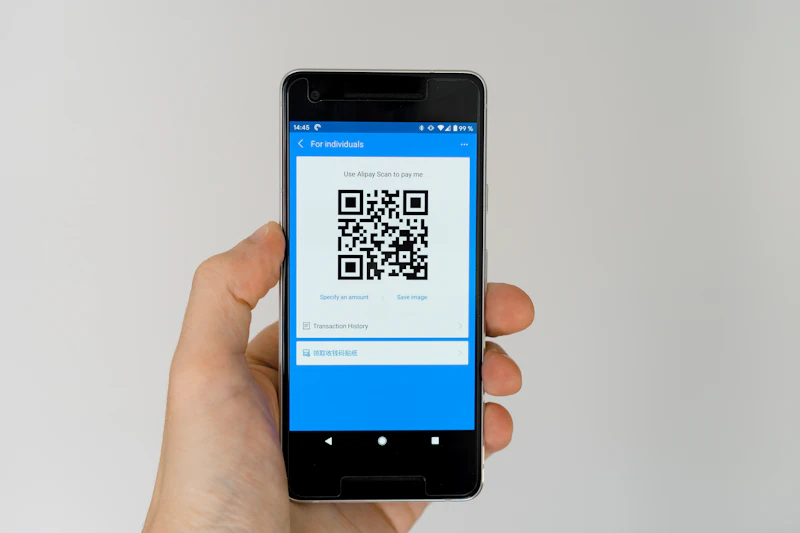
Bank Indonesia launched QRIS, a national QR standard, on 17 August 2019. Today everyone from street vendors to department stores takes payment with a single scan. Money no longer changes hands; numbers change on servers.
It's wonderfully convenient. But it raises a new question: whose ledger records that balance? And who has the power to freeze or change it?
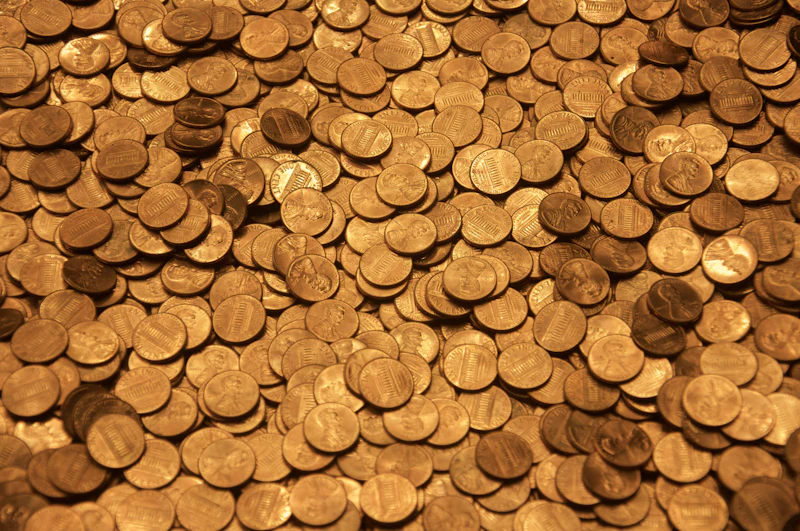
In the early hours of 1 December 2025, NusaChain's first block was mined. Like a Mataram inscription, it carved a message that no one will ever be able to change:
This time, trust isn't handed to a king, a company or a bank. It's placed in rules written in open code: supply capped at 18 million, no one able to print more, and every record open to anyone. Like the cowries of chapter one, its scarcity can't be bent at will, only this time it's guarded by mathematics.
Line up all the chapters and an interesting pattern appears. Only one form can cross the world in minutes without being handed to a third party.
| Cowrieancient | Gold9th c. | Cash coin13th c. | Paper1946 | Digital balance2019 | NUX2025 | |
|---|---|---|---|---|---|---|
| Limited supply | 18 million | |||||
| Durable | ||||||
| Portable | ||||||
| Hard to counterfeit | cryptography | |||||
| Sent far in minutes | mostly domestic | cross-border | ||||
| Held without an intermediary | held by a bank | |||||
| Widely accepted today | as savings | just beginning | ||||
| Who guarantees it | nature | the metal | trade networks | the state | banks & systems | math & consensus |
The everyday Indonesian word for money comes from a small copper coin brought by the VOC.
Indonesia's Money Day, marking the first circulation of ORI in 1946.
Cash coins had holes so they could be strung on cords and counted by the bundle.
Every message between NusaChain nodes starts with 4 bytes, 4E 55 53 41, which read "NUSA" in ASCII.
Our ancestors embraced cowries, gold, cash coins and paper in their own times. The eighth chapter is still very young, and you can help write it from page one.